Sri Lanka's food culture in the South sits close to the sea.
Most coastal towns depend on the ocean for their daily meals. The morning catch decides what families cook. It also decides what most restaurants serve. This creates a style of cooking that is as authentic as it comes.
The cooking process is quite simple. Fresh fish. Clean cuts. Light seasoning. Quick cooking. These steps protect the natural flavour, which is the pride of ocean-to-table food here. The famous Sri Lankan spices add warmth but never overwhelm the actual flavour. Then comes the hit of coconut. Or lime. Or tamarind. The standing ovation of an otherwise-perfect little dish.
You will see this in beach shacks, homestays, and fine-dining restaurants. Food is made fresh with the best quality ingredients. That consistency comes from generations of knowledge. Fishing communities have shaped these flavours over time, adjusting to seasons, tides, and local traditions.
This blog takes you into that world. It looks at the dishes that define Sri Lanka's coastal cooking. It explores how the ocean guides the cuisine. And it shows how simple methods can create meals that are deeply memorable.
A Bite of History: How Sri Lankan Cuisine Evolved
Sri Lankan cuisine has a long, layered history. Before foreign influence, food here was simple and natural. Rice was the staple. Coconut was used in many forms. Palm products were common. People used local vegetables. Fresh fish from rivers and the ocean. Cooking was slow and intentional. Flavours were mild and tied to Ayurveda, where food supported health and balance.
Then traders began to visit the island. Arab merchants were some of the first. They came for spices like cinnamon and pepper. With them came new ingredients, new seasoning styles, and new cooking methods. This was the starting point of Sri Lanka becoming a global food crossroads.
South Indian influence came through trade and migration. This brought heat, texture, and stronger spice blends. Dishes like hoppers, dosas, sambols, and spicy seafood curries have roots in this connection. Even today, especially along the southern coast, these flavours remain strong.
European colonial eras also shaped the cuisine. The Portuguese introduced chillies and love cake. The Dutch contributed lamprais and pickles. The British added tea plantations, baking culture, and bread.
So today, our food tells a story. One island. Many eras. Many flavours. A real fusion, if you may.
And that's what makes a Sri Lankan culinary tour feel so special.
If you'd like to dive deeper into how Sri Lankan cuisine developed through trade and migration, this article explains it beautifully
The Ocean's Pantry: Seafood in Sri Lanka
Sri Lanka being an island is a reason for our ocean-to-table food rituals.
Seafood in Sri Lanka is a major part of daily cooking. Tuna, prawns, crab, seer fish, cuttlefish, and squid are commonly caught. Most of it is bought directly from the morning catch, so freshness is guaranteed.
On the south coast, cooking styles are simple and coastal. Coconut milk is used often in curries. So are chillies, lime, garlic, onions, and curry leaves. The goal isn't complication, but balance.
Coastal dishes in Sri Lanka are invariably 'umami'. There's nothing overly processed or heavy. Just fresh seafood, local spices, and traditional methods of cooking. The taste can change from day to day. It depends on what's caught, which spices are available, and the cook's preference. This flexibility is part of the culture.
Ocean-to-table dining in Sri Lanka isn't a modern idea. It has been a normal way of life for generations. Fishermen supply homes and restaurants. Families cook what the ocean provides.
At Aditya Resort, the same approach continues. Fresh seafood. Seasonal ingredients. Local recipes. The result is an authentic experience of Sri Lankan cuisine like none other.
Spices: The Heart of Sri Lankan Cuisine
Spices play a central role in Sri Lankan cooking. They create depth, heat, fragrance, and warmth. Sri Lankan cuisine is known for bold flavour, but every spice is used with intention.
Cinnamon, cardamom, cloves, pepper, and turmeric are widely grown across the island. Having spices produced locally means they stay fresh and aromatic, especially in coastal cooking in Sri Lanka.
There are two key spice blends used in traditional Sri Lankan dishes:
unroasted curry powder and roasted curry powder.
- Unroasted curry powder is mild and suited for fish or vegetable dishes.
- Roasted curry powder is darker and stronger, often used for meat curries.
Coconut is another core ingredient that works with the spices. Coconut milk, grated coconut, and coconut oil are used to balance heat and create a creamy texture. This combination is especially important in seafood dishes in Sri Lanka.
In Sri Lankan cuisine, the spices do not overpower the main ingredient. Instead, they enhance it. You taste the seafood first, then the spice blend, then the sour notes from tamarind or lime.
Simple techniques. Thoughtful seasoning. Long-lasting tradition. That is the foundation of Sri Lankan food culture.
Must-Try Traditional Sri Lankan Dishes
If you're visiting the south coast or staying at Aditya Resort, there are a few traditional Sri Lankan dishes you simply must try. They tell the full story of flavour, culture, and ocean-to-table cooking in Sri Lanka.
Seafood & Coastal Dishes
- Ambul thiyal (sour fish curry)
- Negombo prawn curry
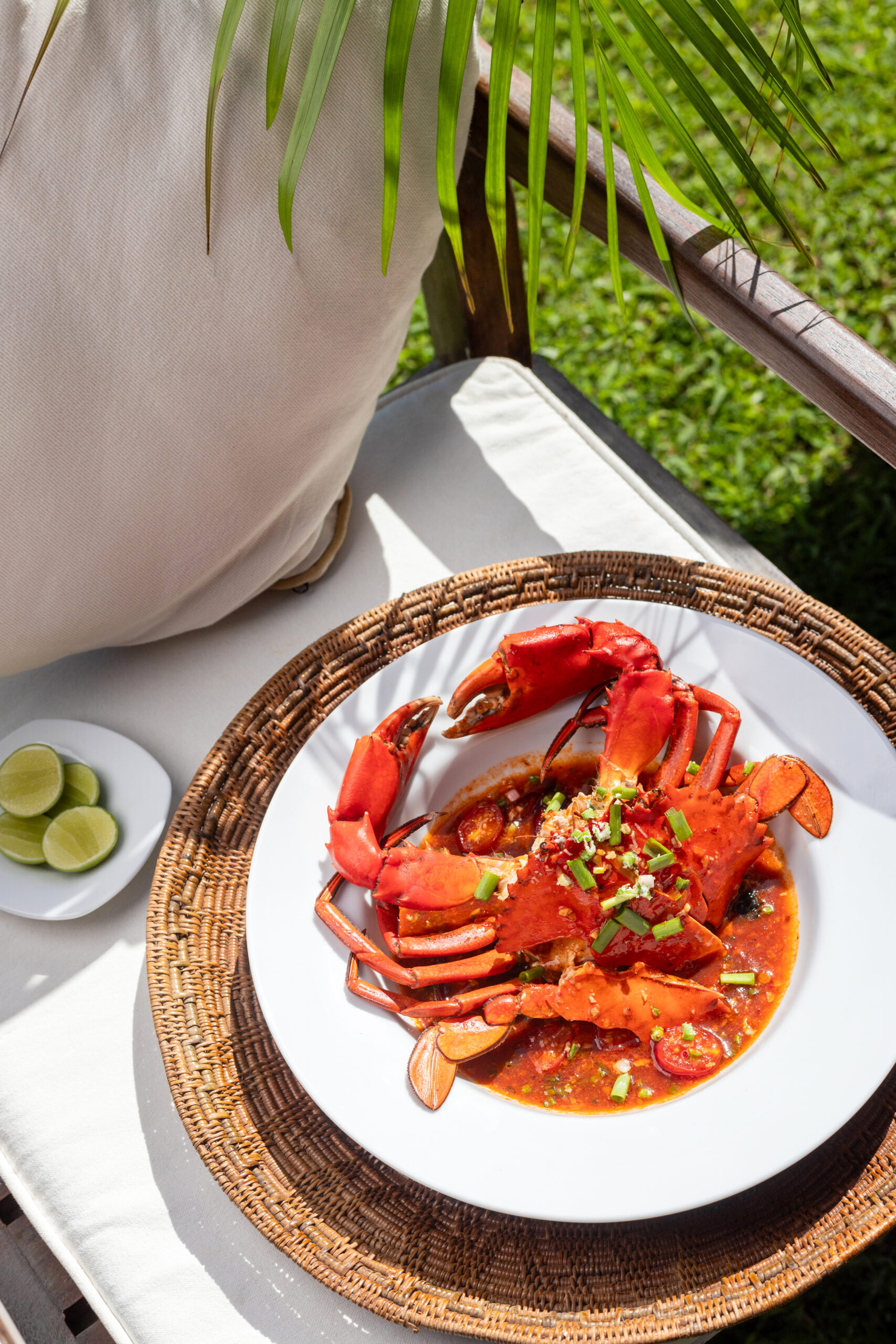
- Jaffna crab curry
- Cuttlefish devilled
- Tempered dry fish
- Maldive fish sambol
Rice & Coconut-Based Dishes
- Rice and curry (classic daily meal)
- Kiribath (milk rice)
- Kiri hodi (turmeric coconut gravy)
- Pol sambol (coconut sambol)
- Lunu miris (spicy onion paste)
- Coconut roti
Breakfast & Snack Staples
- Hoppers (appa)
- Egg hoppers
- String hoppers
- Pittu
- Parippu (red lentil dhal)
- Ulundu vade
- Fish rolls
- Kottu roti
Traditional Curries
- Kukul mas curry (chicken curry)
- Polos curry (young jackfruit curry)
- Kos ata kiri hodi (jackfruit seed curry)
- Gotukola mallum
- Wambatu moju (brinjal pickle)
Sweet Dishes
- Kavum
- Kokis
- Aluwa
- Watalappan
- Thala guli
Two Easy Sri Lankan Recipes You Can Try
Good news - Sri Lankan cooking doesn't need to be complicated. It's merely fresh ingredients. A few spices. And of course, a little love. That's really all you need.
Here are two simple recipes inspired by coastal cooking in Sri Lanka. They're quick and easy to whip up. And they give you a little taste of ocean-to-table dining in Sri Lanka, no matter where you are.
Recipe 1: Pol Sambol (Coconut Sambol)
This is a Sri Lankan favourite. You'll see it everywhere - breakfast tables, street food stalls, family gatherings, and fine dining menus.
You'll need:
- 1 cup grated fresh coconut (or desiccated coconut + a splash of warm water)
- 1 small onion, finely chopped
- 1-2 teaspoons chilli flakes
- Juice of half a lime
- Salt to taste
- Optional: a pinch of Maldive fish (adds depth)
How to make it:
Put everything in a bowl. Mix with your fingers - don't be afraid to get right in and smush it up. Taste and adjust to your preference. Add more lime if you want it brighter. Add more chilli if you want heat.
Serve with bread, rice, or grilled seafood. Simple. Fresh. Truly Sri Lankan.
Recipe 2: Easy Sri Lankan Fish Curry
This version keeps things simple but still reflects traditional Sri Lankan dishes and coastal flavours.
You'll need:
- 300g firm fish (snapper, tuna, salmon - anything that won't break easily)
- 1 cup coconut milk
- 1 tablespoon curry powder
- ½ teaspoon turmeric
- Juice of half a lime
- 1 small onion, sliced
- A few curry leaves and a sprig of pandan leaf (optional)
- Salt to taste
How to make it:
- Saute the onion and curry leaves in a little bit of oil for one minute.
- Add turmeric and curry powder. Mix it up.
- Add the fish and a little bit of water. Coat it in the spices carefully and let sit for about 4-5 minutes.
- Pour in coconut milk and simmer for 10-12 minutes.
- Finish with lime juice and salt.
That's it. Comfort in a bowl.
And very true to Sri Lankan cuisine - creamy, warm, balanced, and full of personality.
Beyond the Plate: Food, Rituals, and Everyday Life
Food in Sri Lanka isn't just seen as a form of nourishment. It's connection, ritual, and rhythm. Traditional Sri Lankan food culture is grounded in intuition rather than strict recipes. A Sri Lankan mom may share a recipe or method, but never exact measurements - because Sri Lankan cuisine is cooked with feeling, not formulas.
Meals are shared, your hands are used, and flavours are savoured slowly. Eating with your hands in Sri Lanka is culturally accepted and encouraged. It connects you to the food, the texture, the temperature, and the experience.
Fresh seafood on the south coast, warm rice, spicy sambols, creamy coconut curries - everything tastes better when eaten the Sri Lankan way.
Festivals shape seasonal flavours. During Sinhala and Tamil New Year, kitchens fill with kokis, aluwa, and kiribath sweetened with Kithul treacle.
Tea culture is woven gently into daily life. Morning tea, afternoon tea, tea with snacks - sometimes tea is a pause, sometimes a comfort.
All of this creates a culinary experience that goes beyond eating. It's memory. It's identity. It's home - whether at a street stall, a family table, or a luxury resort in Sri Lanka.
A Culinary Journey at Aditya Resort: Where Tradition Meets Comfort
At Aditya Resort, your food is made and presented with great care. It is made for you with intention, warmth, and authenticity. Our culinary philosophy mirrors the heart of Sri Lankan cuisine: fresh seafood, coastal cooking traditions, hand-ground spices, and seasonal ingredients.
But we also understand travel is a balance between discovery and comfort. So while you'll find traditional Sri Lankan dishes and ocean-to-table dining experiences inspired by fishermen's morning catch, you'll also find thoughtfully prepared international favourites - salads, pasta, grilled meats, pastries, and refined desserts.
Some days invite bold Sri Lankan flavours - hoppers, pol sambol, fresh crab curry. Other days call for something quiet and familiar - fruit, yoghurt, bread and a perfect cup of tea overlooking the ocean.
Our menu follows nature, not timelines. If prawns are thriving, you'll see them charred and seasoned. If tuna arrives fresh that morning, it becomes tonight's special.
Dining at Aditya Resort is an experience rooted in culture, comfort, and the coastal spirit of Sri Lanka. We also offer cookery demonstrations and Rathgama fish market tours!
Cooking With Your Hands: The Sri Lankan Way
Eating with hands is a cultural tradition that reflects respect, connection, and mindfulness.
When you eat with your hands, especially rice and curry, you get the balance. You mix flavours yourself: the heat of chilli, the richness of coconut milk, the sour kick of lime, the salt, the texture - all in one bite. Food tastes better this way.
This practice is deeply connected to Sri Lankan food culture. It reminds us that traditional Sri Lankan dishes aren't just recipes. They're lived experiences. Families pass down technique through generations.
During a Sri Lankan culinary tour or when having an ocean-to-table meal in Sri Lanka, this is something that you will get to experience yourself.
At Aditya Resort, you're welcome to try our local way of eating. But if that's not your thing - no pressure! Because sometimes, the best way to taste Sri Lankan cuisine - is with your hands.
In Conclusion: Final Thoughts
Sri Lankan cuisine is a combination of history, memory, and identity woven into every bite. From ancient trade routes to coastal fishing traditions, every dish tells a story. Traditional Sri Lankan food may be bold and full of spice, but it's balanced, intentional, and deeply rooted in culture.
They reflect the ocean, the weather, the season, and the people who prepare them. One curry may taste different every time you try it. That's the beauty of this wonderful cuisine.
And there's no better way to truly understand Sri Lankan cuisine than by experiencing it slowly with curiosity, conversation, and joy.
Here at Aditya Resort, food is a major part of our offerings. From traditional Sri Lankan dishes to elevated international dishes, every plate is designed to make you feel both connected and cared for.
Sri Lanka feeds the stomach, but it also feeds the heart.
And once you fall in love with the food here, you'll carry the flavour with you long after you leave.
Contact us today to book yourself a cookery demonstration, fish market tour, or a luxury fine dining experience at Aditya Resort, Sri Lanka.